
Available 24/7 at
0755-82798135

MLCC Case Size Guide: 0201, 0402, 0603 and 0805
Choosing the right MLCC case size is important for PCB layout, assembly yield, capacitance availability, voltage margin and long-term reliability. Common multilayer ceramic capacitors such as 0201, 0402, 0603 and 0805 may look similar in function, but they can perform very differently in real production and sourcing decisions.
Smaller MLCC sizes like 0201 and 0402 help save board space for compact electronics, while 0603 and 0805 capacitors are often easier to assemble, inspect and source in stable quantities. Engineers and buyers should not choose a package size only by footprint. The better choice depends on electrical requirements, manufacturing capability, application environment and available inventory.
This MLCC case size guide compares common ceramic capacitor sizes, explains how each size affects PCB design and assembly, and gives practical selection tips for component sourcing. You can also explore related ceramic capacitors or submit an RFQ for MLCC sourcing support from TomatoElec.
What Does MLCC Case Size Mean?
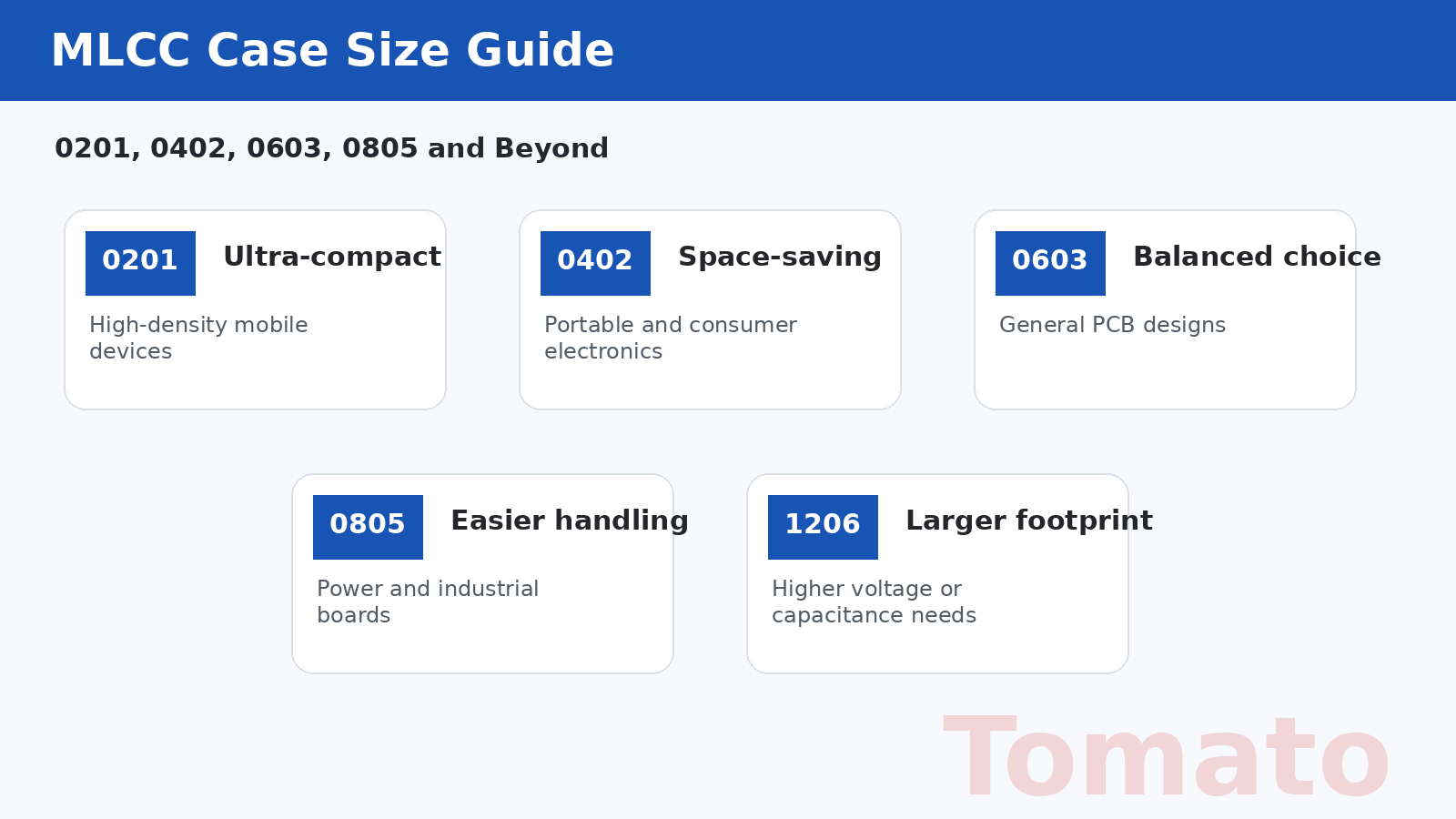
MLCC case size refers to the physical dimensions of the capacitor package. These dimensions are commonly expressed in imperial code such as 0201, 0402, 0603, and 0805. In most cases, a larger case size allows for easier handling, more mechanical strength, and sometimes higher capacitance or voltage range, while a smaller case size helps save PCB space.
For example:
- 0201 is used in very compact, high-density designs
- 0402 is common in portable electronics and consumer products
- 0603 offers a balance between size and handling
- 0805 is easier to place manually and often preferred in less space-limited designs
Understanding these size differences is important because case size affects more than just footprint. It also influences assembly difficulty, soldering reliability, cracking risk, and electrical performance in certain designs.
Common MLCC Case Sizes and Their Characteristics
0201 MLCC
0201 MLCCs are extremely small and are typically used in highly compact products such as smartphones, wearable devices, and ultra-dense communication modules. They save PCB space effectively, but they also require more advanced assembly capability and stricter manufacturing control.
0402 MLCC
0402 is one of the most common sizes in modern consumer electronics. It offers a good balance between compact layout and manufacturability, making it a popular option for portable products and medium-to-high density boards.
0603 MLCC
0603 MLCCs are widely used in general electronic products. They are easier to handle than 0201 or 0402 and are often selected when designers need a practical balance between compact size, mechanical reliability, and assembly convenience.
0805 MLCC
0805 MLCCs are larger and easier to inspect, place, and solder. They are often used in industrial boards, power-related circuits, and applications where PCB space is less restricted.
1206 and Beyond
Larger MLCC sizes such as 1206 may be preferred when higher voltage, larger capacitance, or better handling is needed. In some power, industrial, or less space-constrained applications, larger case sizes remain practical and reliable.
How Case Size Affects PCB Design and Assembly
PCB Space
Smaller MLCCs help designers reduce board area and support higher component density. This is especially important in mobile devices, compact communication modules, and miniaturized electronics.
Assembly Capability
Very small MLCCs require more precise pick-and-place equipment, tighter solder paste control, and stronger process capability. If assembly resources are limited, choosing a slightly larger size may improve yield and reduce production risk.
Mechanical Reliability
Case size can influence sensitivity to board flex and mechanical stress. In some applications, selecting a larger or more suitable case size may help reduce cracking risk and improve long-term reliability.
Electrical Requirements
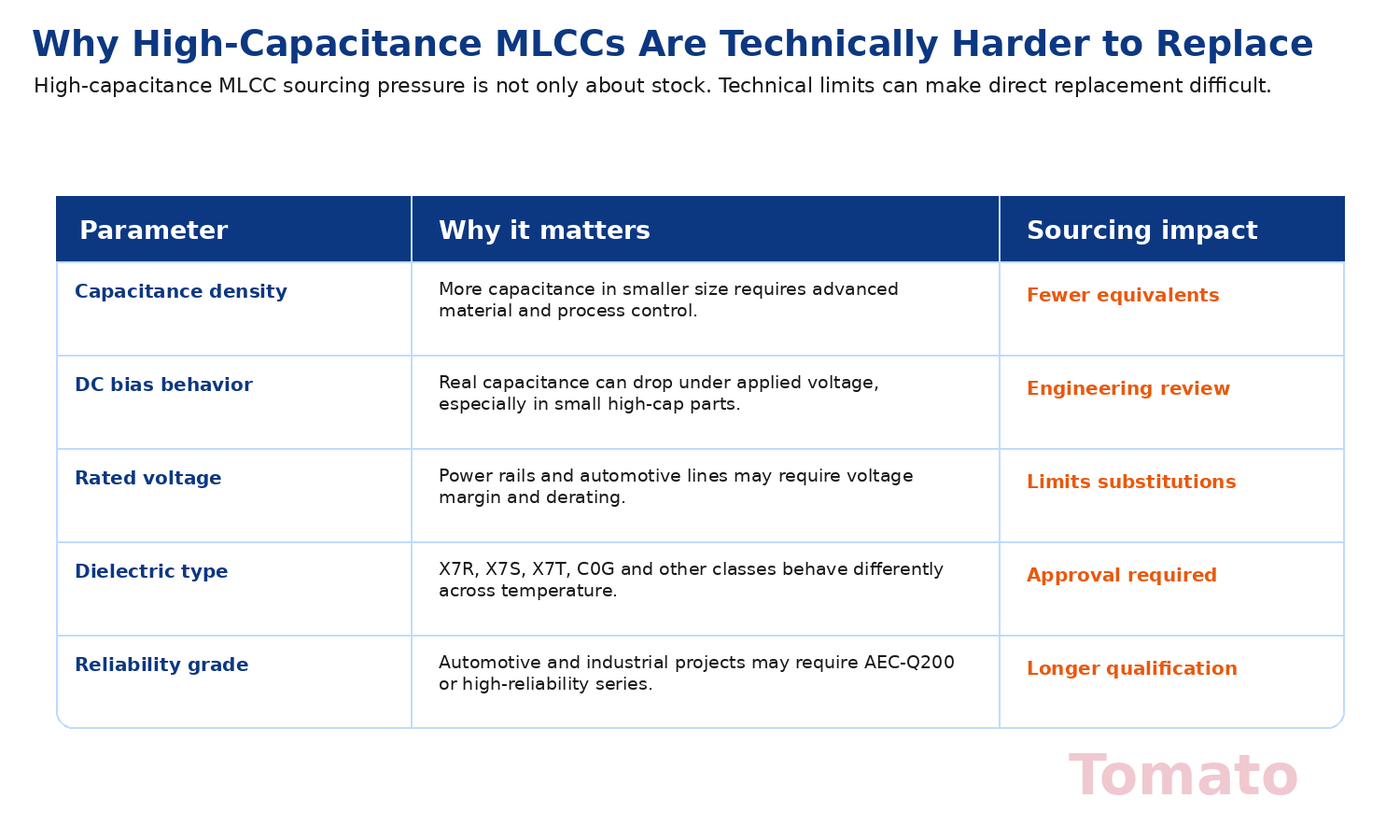
Capacitance range, voltage rating, and derating behavior may vary depending on MLCC size and dielectric structure. Designers should not assume that all case sizes offer identical electrical performance.
How to Choose the Right MLCC Size
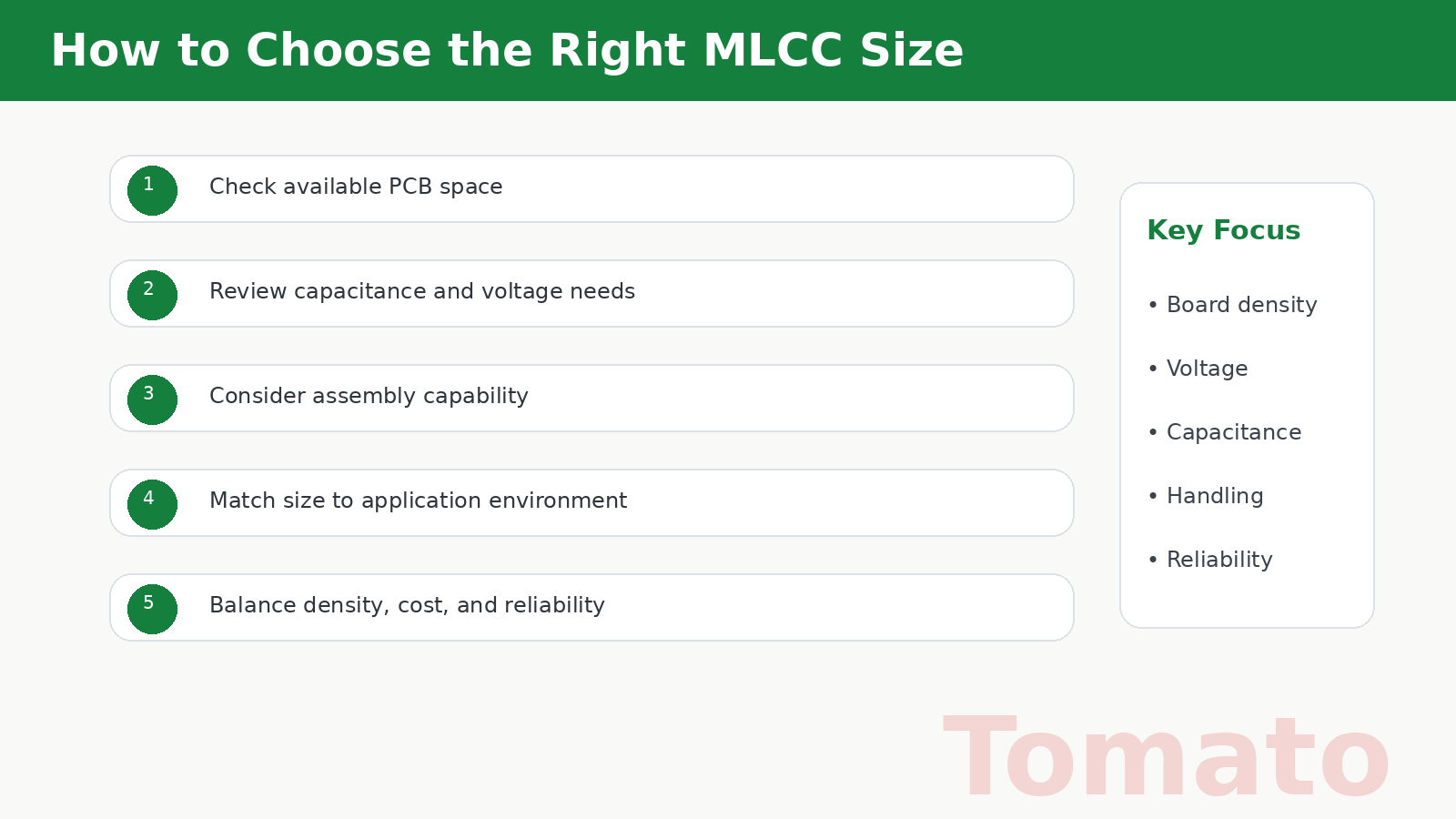
1. Check PCB Layout Space
The available PCB area is often the first factor. If the design is very compact, smaller sizes such as 0201 or 0402 may be required. If there is more board space, 0603 or 0805 may offer easier manufacturing and better handling.
2. Review Capacitance and Voltage Needs
Required capacitance and voltage rating should always be checked together with package size. In some cases, very small MLCCs may not provide the desired electrical margin for the application.
3. Consider Assembly Process
Manufacturing capability matters. If your production line or supplier has better yield with 0603 than 0201, the slightly larger size may be the better practical choice.
4. Think About Application Environment
Products exposed to vibration, thermal cycling, or mechanical stress may require more careful case size selection. Reliability considerations are just as important as space saving.
5. Balance Density, Cost, and Reliability
The smallest MLCC is not always the best choice. Engineers should balance PCB density, assembly complexity, inspection difficulty, and long-term field reliability before finalizing the size.
Common Mistakes to Avoid
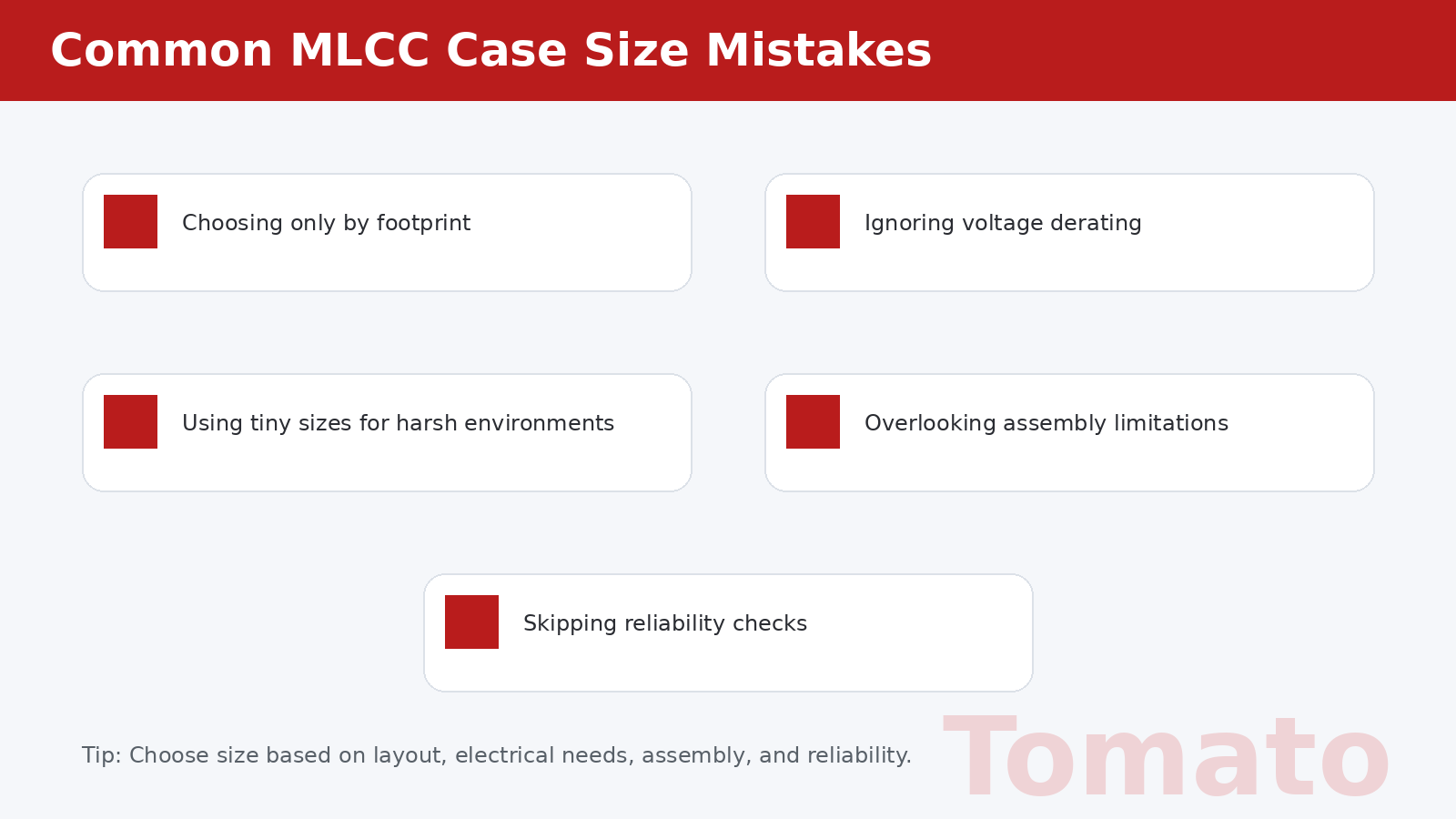
Choosing Only by Footprint
Some users select MLCC size only based on PCB space and ignore voltage, capacitance, assembly, or reliability needs. This can create performance or manufacturing problems later.
Ignoring Voltage Derating
MLCC performance can change under DC bias and voltage conditions. The selected size should be reviewed together with electrical behavior, not only physical dimensions.
Using Tiny Sizes in Harsh Environments
Very small case sizes may not always be the best choice in applications with stronger vibration, thermal stress, or demanding field conditions.
Overlooking Production Capability
If the assembly line is not optimized for extremely small case sizes, production defects and yield issues may increase.
Skipping Reliability Review
Case size selection should always consider long-term reliability, especially in industrial, automotive, or mission-critical designs.
Practical Buying Tips
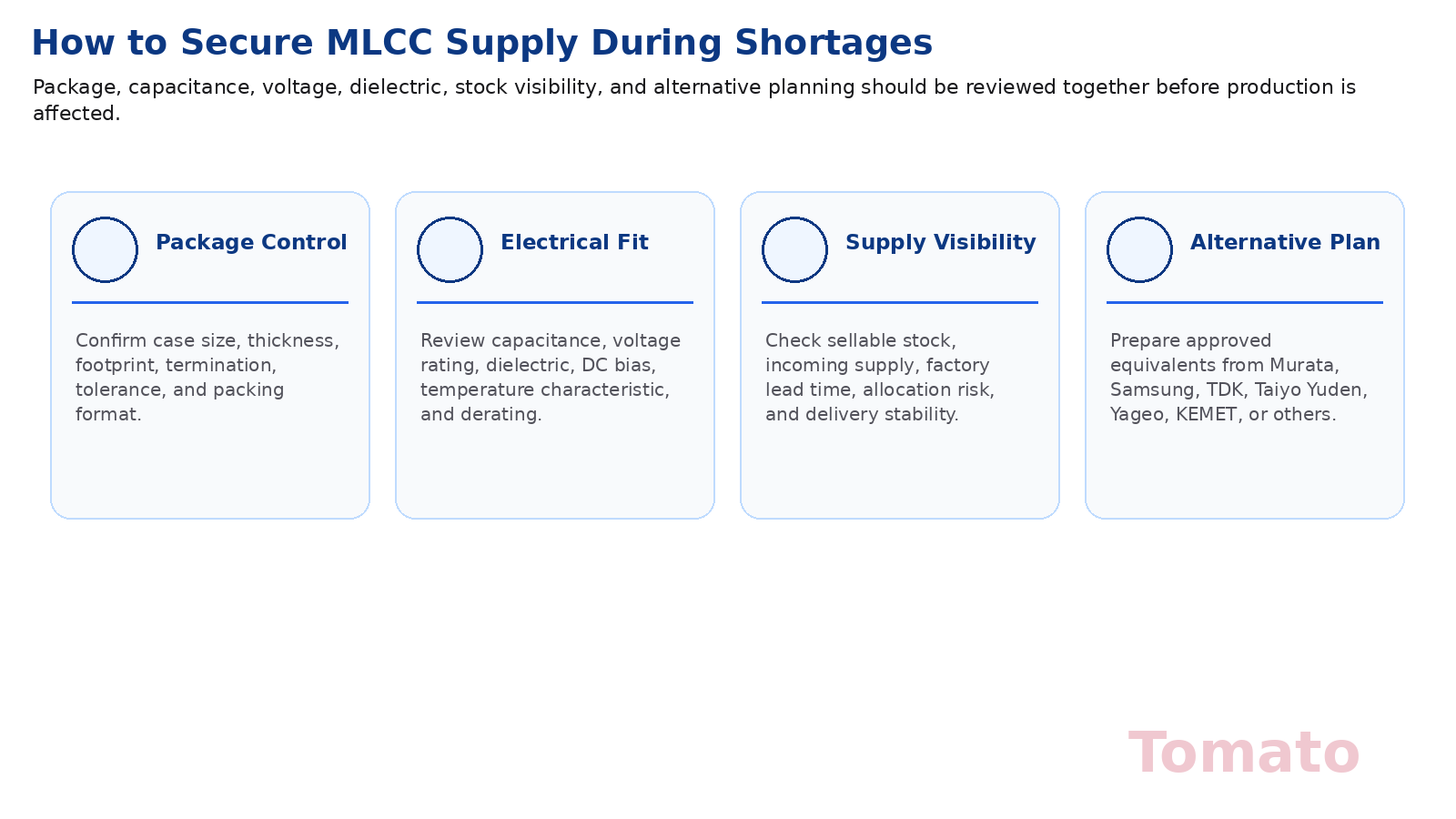
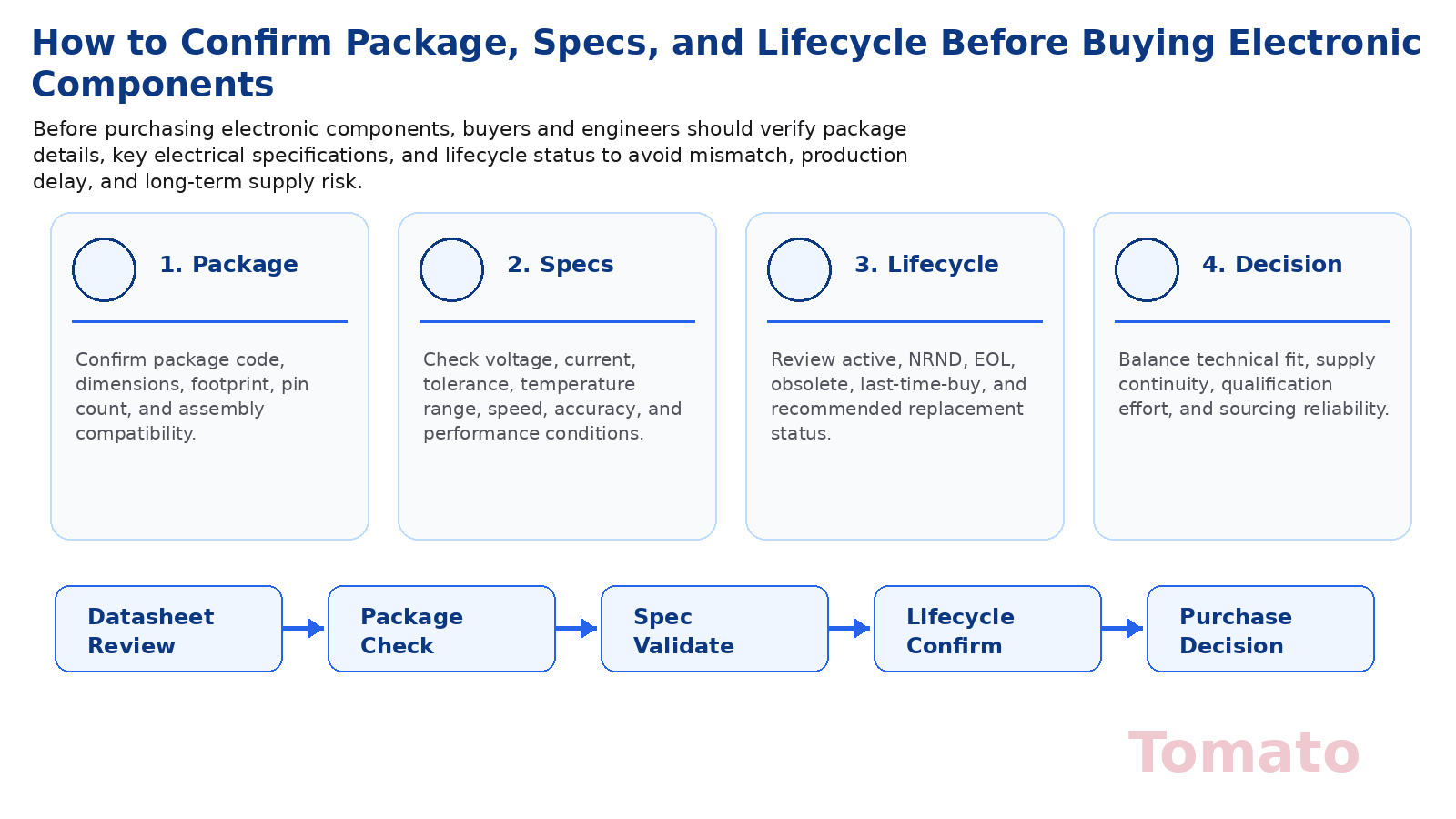
Before purchasing MLCCs, it is useful to confirm the following:
- Required capacitance and voltage rating
- Preferred case size range
- PCB space limitations
- Assembly capability and yield target
- Application environment and reliability expectations
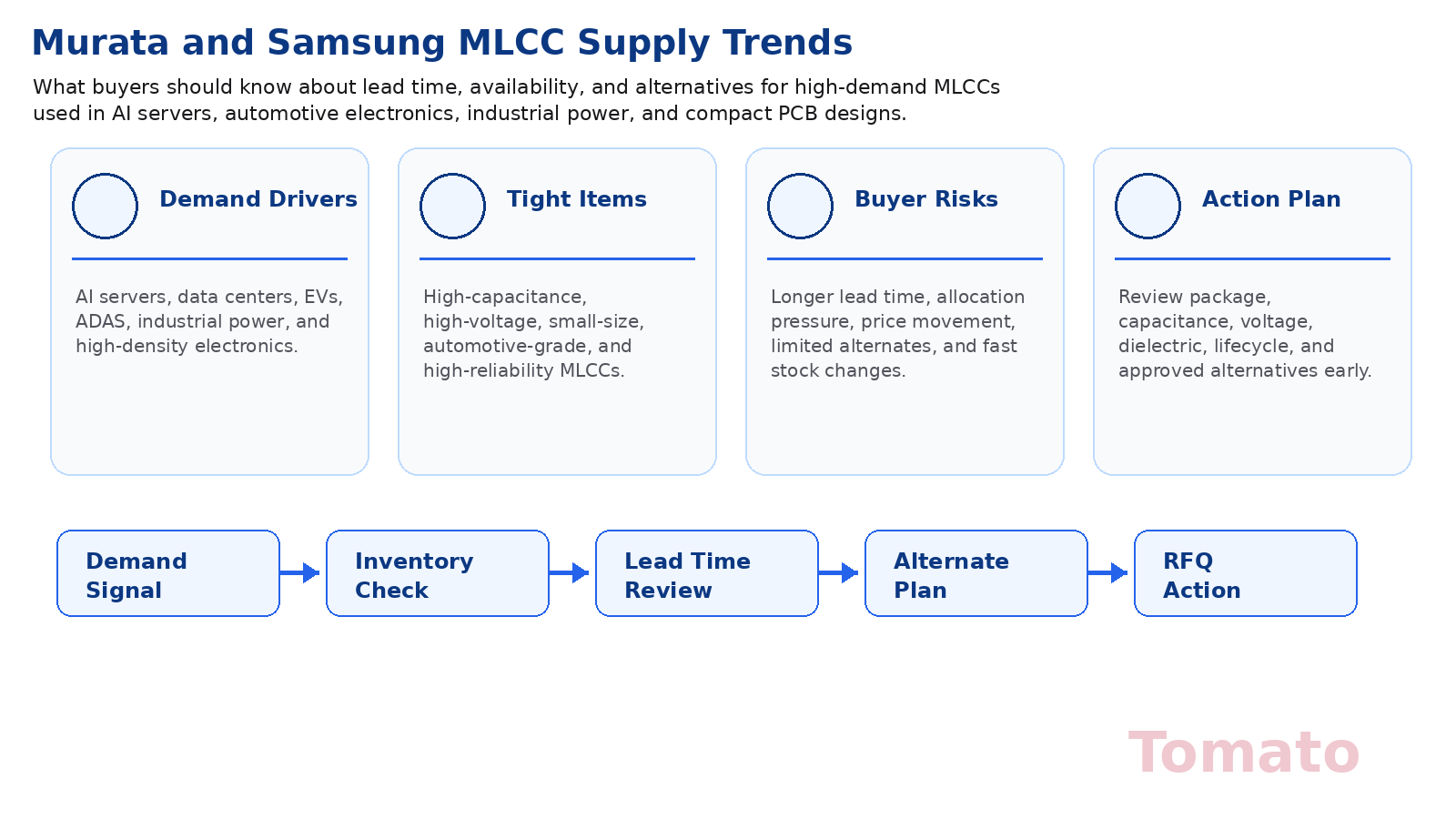
- Supplier stock and lead time
- Consistency across approved brands or alternative parts
Working with a reliable ceramic capacitor supplier can help reduce sourcing risk and improve component selection efficiency, especially when multiple MLCC case sizes, capacitance values and voltage ratings need to be compared.
Conclusion
MLCC case size is an important part of capacitor selection. Sizes such as 0201, 0402, 0603 and 0805 each have different strengths depending on PCB density, electrical requirements, assembly capability and reliability needs. Instead of choosing the smallest size by default, designers and buyers should evaluate the full application context.
By understanding MLCC case size differences, engineers and sourcing teams can make better decisions for both circuit design and procurement. If you need 0201, 0402, 0603, 0805 or larger ceramic capacitors, TomatoElec can support original component sourcing, inventory checking, BOM matching and RFQ service for MLCC and other passive components.
Explore more ceramic capacitors, check related capacitor categories, or contact TomatoElec through the RFQ page for sourcing support.